Nations need to unite to find strength in numbers against imperial powers. How can the UK lead calls for international cooperation and figurehead a united front?
Since World War 2 the UN has called for global cooperation and peace-making but today it is at breaking point, facing the risk of financial collapse. Most don’t live that long so while George Robertson, new chair of the International Relations and Defence Committee said ‘the UN is our vehicle for optimism’ it is running on fumes.
Exactly 80 years after the UN general assembly first convened in London on 17th January the UN Secretary General António Guterres took to the stage to speak up for multilateralism in an increasingly divided world. In his speech the representative of the UK government Attorney General, Richard Hermer KC, said that the UK’s commitment to the organisation’s founding principles is as strong now as it was then. But when rogue states are breaking the rules-based international system and the security council is held hostage by powerful nations, how can the UK help the UN.
In this upside-down world the US-led ‘Board of Peace’ filled with the dictators and war criminals standing in opposition to the UN started another war in the Middle East. When I asked Jeremy Corbyn about the ‘Board of Peace’ he said that they are ‘trying to assemble their own world order.’
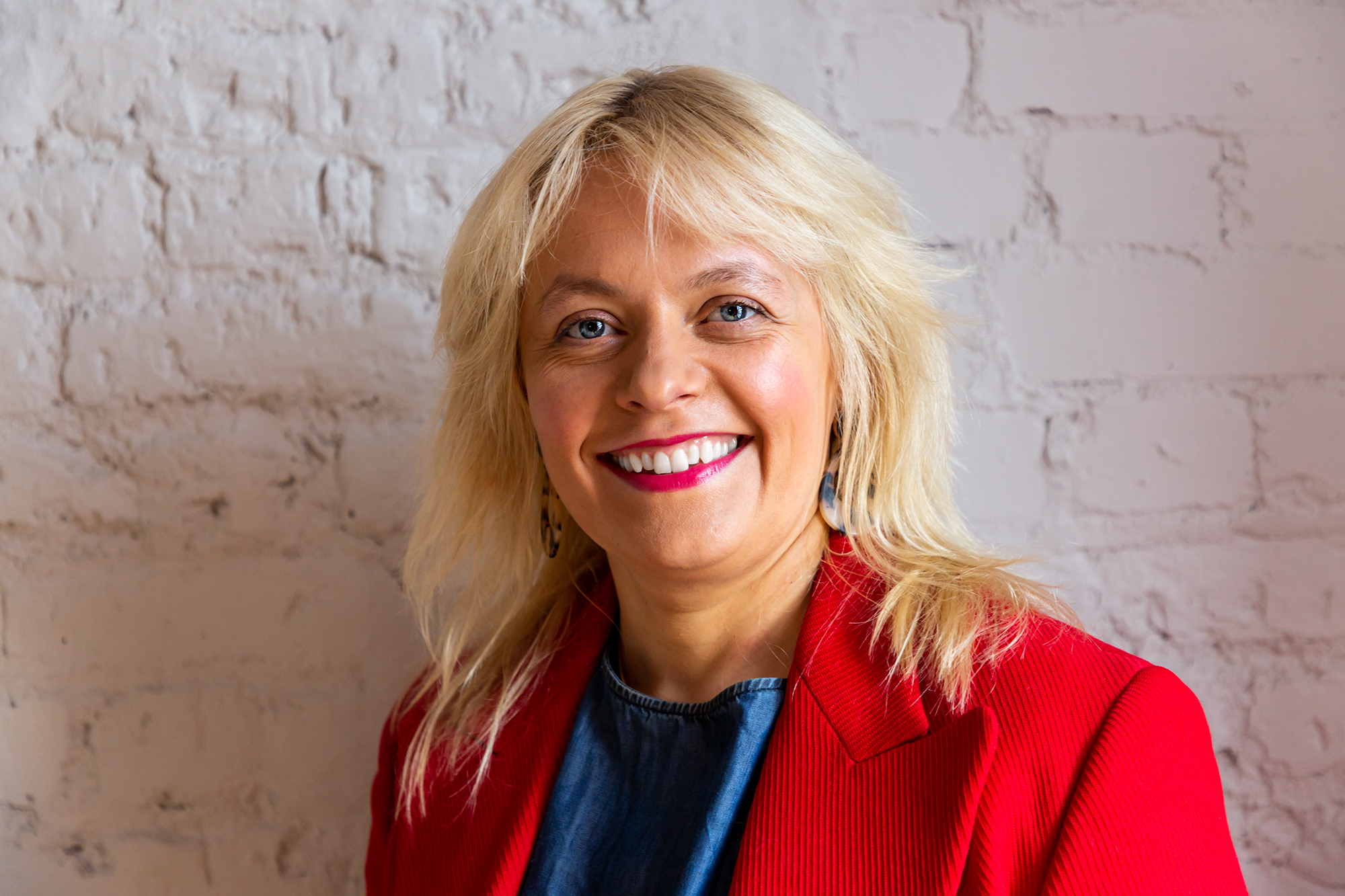
Jane Kinninmont, CEO of the United Nations Associations of the UK (UNA-UK) said: ‘The ‘Board of Peace’ needs to be taken seriously because it’s one of the symptoms of a dramatic change underway in world politics. The US really wants to walk away from its previous role in the multilateral system. It’s not just about the Trump administration, we have seen an erosion of international law for quite some time and it’s speeding up now.’
It is deeply problematic because it is a mechanism that the US might use to bypass the UN. ‘There is an onus on the UN and the countries that support it to reclaim their role in peace-making. It’s not easy but everyone who wants to protect the UN needs to make it better.’
Hassan Damluji, senior fellow in international relations at the London School of Economics (LSE), explained that the UK’s best bet is to join a middle-power alliance: ‘We can’t do it on our own and even as a group of middle powers we can’t fully rebuild multilateralism.’
Nevertheless, alongside others the UK can show imperial powers like the US that it’s not in their interest to destroy the international order. If the UK build an alliance of significant countries in the global north and south it would show America the only way to win back their influence ‘is to join us and make it more than a middle power alliance but actually a restored global system under the UN.’
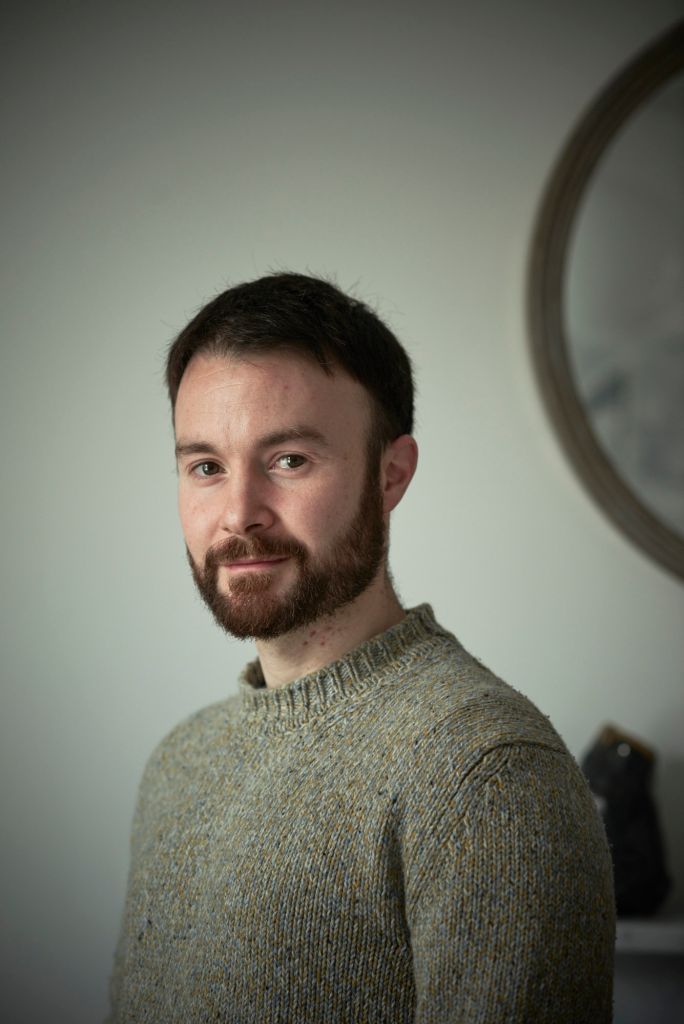
Hassan Damluji is founding director of Global Nation, a think-do tank that aims to build a more collaborative world. Their mission is to ‘strengthen cooperation to face humanity’s great challenges by reigniting global solidarity’ so each year they publish a Global Solidarity report where they ask people around the world whether they feel ‘more a citizen of the world than a citizen of my own country’. According to Anna Hope, who led data analysis, 31% agreed with that statement in 2025 compared to 34% in 2024. The UK score went down from 28% to 26%.
Damluji argues that effective international institutions require a sense of belonging at the global level: ‘What’s important is not just waving the UN flag, we have to show how international institutions can meaningfully improve people’s lives.’
He sees the Board of Peace’s affront to international peace and security as an opportunity because ‘crises that threaten to tear it all apart like the second World War, which destroyed the League of Nations, produce the United Nations as institutions and produced support for a global government.’
UNA-UK want the UK to abide by and stand up for international law. Kinninmont said: ‘Sometimes actions are more important than words. Right now, European countries are tying themselves in knots about whether they should say things about Donald Trump’s America because they are worried about him retaliating.’
However, strength in numbers can help the UK resist US pressure. She continued: ‘Instead of being bullied into refusing to stand up for your beliefs you come together. If people are too afraid to stand up for it (international law) now, then they’ll see it eroding further and they’ll miss it when it’s gone.’
It is important for the UK and the UN that it is proactive because ‘when countries start to think that big powers aren’t abiding by it the whole system is at risk of falling apart.’ There is strong interest in forming a ‘coalition of the responsible’ because in a world ‘where you are seeing larger powers throw their weight around and resort to force more middle powers have a greater need to unite and come together.’
While the UK is struggling with its place in the world it has a very ‘well-respected tradition of the rule of law at home and a big contribution to international law historically.’ Most countries won’t want a unilateral US, only a few countries will benefit from a world where ‘might is right’ so ‘it’s important for the UK to be reaching out beyond its immediate European neighbourhood and making more global alliances.’
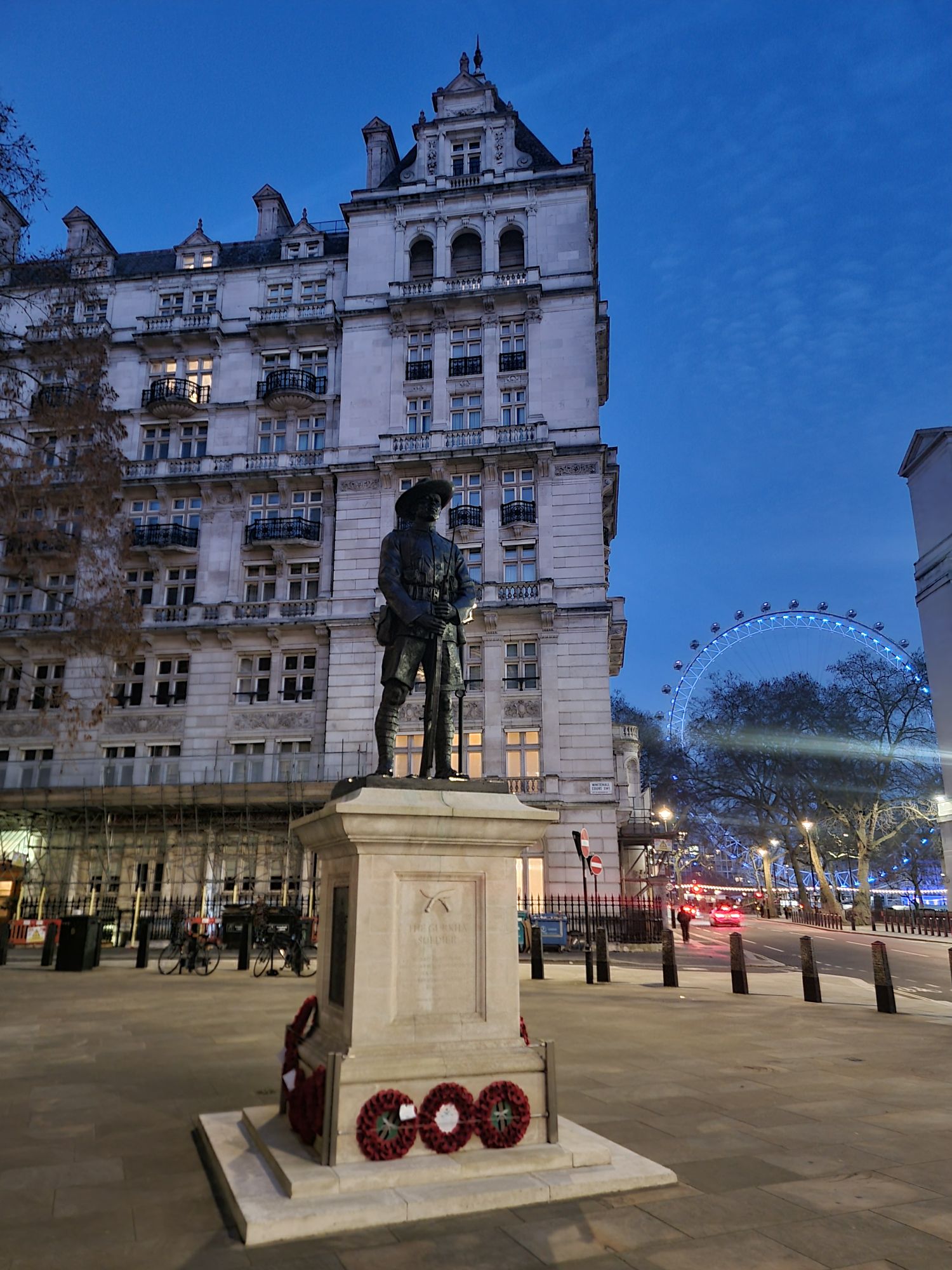
The UNA-UK’s headquarters were once home to H.G. Wells who argued for the idea of a ‘League of Nations’ after World War 1. This was considered utopian before the war but afterward people began to see the necessity of a world government that could deal with international disputes before they spiralled out of control. Inaugurated the year after the war in 1920 the League of Nations could not prevent World War 2 and a year later the United Nations took its place in 1946. With the number of weapons of mass destruction, it may not be possible for humanity to be third time lucky, it might be three strikes before we’re out.

 🄰🄳🄸
🄰🄳🄸 